
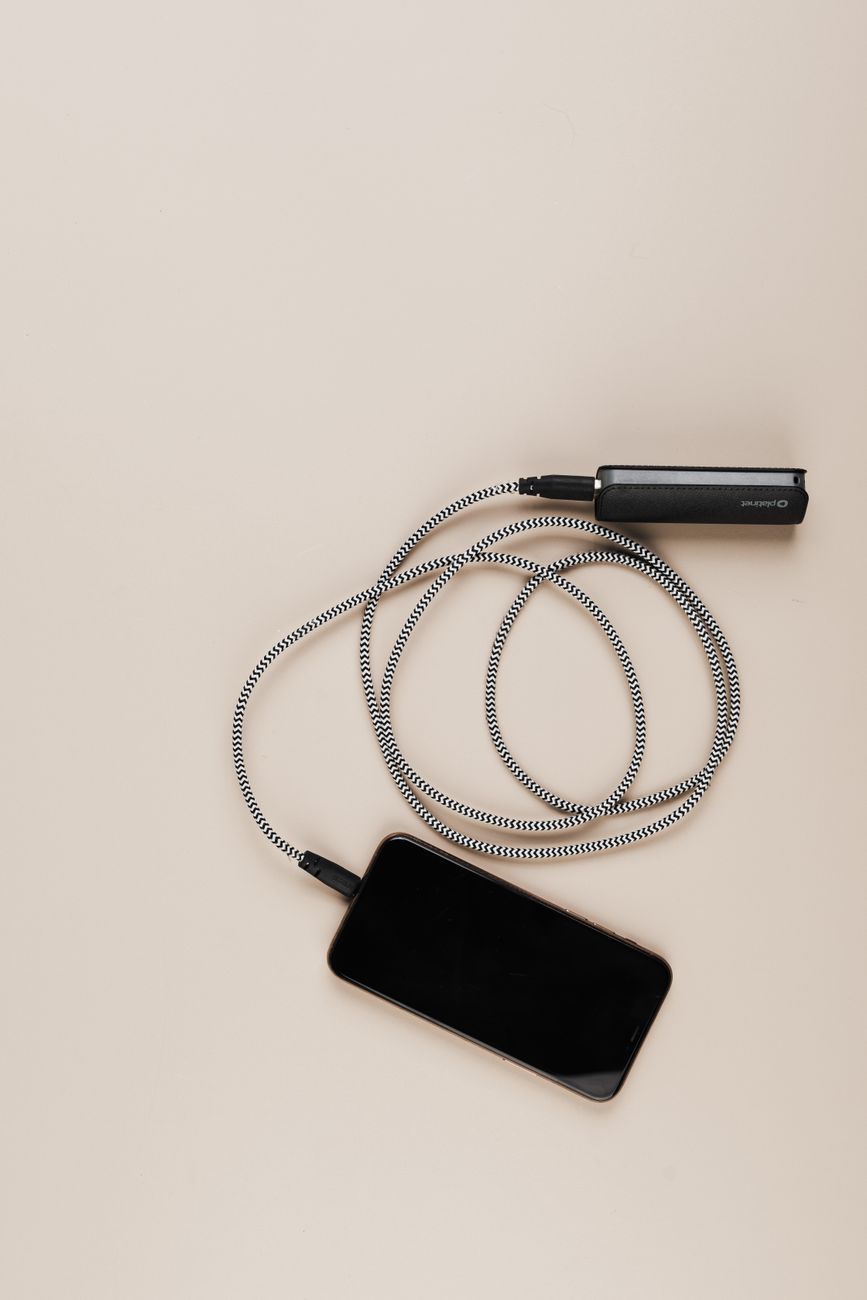
A power bank can be useful when you need to charge a smartphone, tablet, earbuds or other devices while travelling, studying, working or attending long meetings. For students and professionals who spend many hours away from a wall socket, a reliable portable charger can provide useful backup power.
Different power banks vary in capacity, charging speed, number of ports, weight and compatibility. Some high-output models can even support certain USB-C laptops, provided both the laptop and power bank support the required charging standard.
In this guide, we will look at the important features to consider when choosing a power bank in India.
1. Battery Capacity
Power bank capacity is usually measured in milliamp-hours, or mAh.
Higher-capacity models can generally charge devices more times, but they are also larger and heavier.
For everyday phone charging, a medium-capacity power bank may be sufficient. Users who travel frequently or need to charge several devices may prefer a higher-capacity model.
Remember that the usable output is always lower than the advertised battery capacity because of conversion losses.
2. Charging Speed
Charging speed depends on the power bank’s output wattage and the charging standards supported by both devices.
A power bank may support fast-charging technologies such as USB Power Delivery or other manufacturer-specific standards.
To benefit from fast charging, the power bank, cable and device must all support compatible charging specifications.
3. USB-C Power Delivery
USB-C Power Delivery, commonly called USB-PD, allows compatible devices to charge at higher power levels.
This can be useful for smartphones, tablets and some laptops.
If you want to charge a laptop, check the wattage required by the laptop and compare it with the maximum USB-C PD output of the power bank.
Not every laptop can be charged through USB-C.
4. Number of Charging Ports
Some power banks have a single output port, while others can charge two or more devices simultaneously.
Multiple ports can be useful for users carrying a phone, earbuds, smartwatch, tablet or other devices.
However, the maximum charging output may be shared when several devices are connected at the same time.
Check the manufacturer specifications before purchasing.
5. USB-A vs USB-C Ports
USB-A remains common on many power banks, while newer models increasingly use USB-C for both input and output.
A USB-C port can provide faster charging and may reduce the number of different cables you need to carry.
Choose a power bank that matches the charging cables and devices you already use.
6. Power Bank for Students
Students may use a power bank during college, travel, study sessions or online classes.
A compact model with sufficient capacity for one or two phone charges can be practical for everyday use.
Students should consider price, portability, charging speed and safety features.
7. Power Bank for Professionals
Professionals may need backup power during business travel, meetings and long workdays.
Models with higher capacity, fast charging and multiple ports can be useful when several devices need to remain charged.
A USB-C PD power bank may also be valuable for users with compatible tablets or laptops.
8. Power Bank for Travel
Travellers often need to balance capacity and portability.
Higher-capacity models provide more backup power but can be heavier.
If travelling by air, check the airline’s current rules regarding lithium battery capacity and whether power banks must be carried in cabin baggage.
Travel regulations can change, so confirm them before flying.
9. Size and Weight
A power bank that remains at home because it is too heavy provides little practical benefit.
For daily use, consider a size that fits comfortably in your backpack, handbag or laptop bag.
Higher-capacity models are normally heavier, so choose capacity according to your actual needs.
10. Safety Features
Battery safety is especially important with power banks.
Look for protections against:
- Overcharging
- Overcurrent
- Short circuits
- Excessive temperature
- Overvoltage
Choose established brands and check relevant safety certifications, warranty information and recent customer feedback.
11. Cables and Compatibility
The charging cable can affect charging speed.
A cable that does not support the required power level may prevent fast charging even when both the power bank and device support it.
Check whether the power bank includes a cable and whether you need USB-C to USB-C, USB-A to USB-C or another connection.
12. Display and Battery Indicator
Most power banks include LED indicators showing the approximate remaining battery level.
Some models provide a digital percentage display, which can make it easier to know when the power bank needs charging.
This is convenient but should not be the main factor when choosing between models.
13. Charging the Power Bank
A high-capacity power bank can take several hours to recharge.
Models supporting fast input charging can reduce this time when paired with a suitable charger.
Check the supported input wattage and whether a compatible wall charger is included or must be purchased separately.
14. Can a Power Bank Charge a Laptop?
Some power banks can charge compatible USB-C laptops.
You need to check:
- Whether the laptop supports USB-C charging
- Laptop charging wattage
- Power bank USB-C PD output
- Cable wattage rating
- Connector compatibility
A normal low-output phone power bank should not be assumed to charge a laptop.
What to Check Before Buying
Before purchasing a power bank, compare:
- Battery capacity
- Output wattage
- Fast-charging support
- USB-C Power Delivery
- Number of ports
- Size and weight
- Safety features
- Device compatibility
- Recharge speed
- Included cables
- Warranty
- Recent customer reviews
Choose the model that provides enough power for your normal daily requirements without adding unnecessary weight.
Which Power Bank Should You Choose?
Students may prefer a compact and affordable model for phone charging.
Professionals may benefit from higher-capacity models with fast charging and multiple ports.
Users with compatible USB-C laptops should look specifically for higher-output Power Delivery models that meet the laptop’s charging requirements.
Travellers should consider capacity, weight and current airline restrictions before choosing a model.
Conclusion
A power bank can provide convenient backup power for smartphones and other portable devices during study, work and travel. The right choice depends on capacity, charging speed, device compatibility and portability.
Before purchasing, compare current specifications, safety information, warranty details and customer reviews. Choose a reliable model that matches the devices you actually need to charge.
Affiliate Disclosure: Some links in this article may be affiliate links. If you make a qualifying purchase through these links, Chrisolas Solutions may earn a commission at no additional cost to you. As an Amazon Associate, Chrisolas Solutions earns from qualifying purchases.


Leave a Reply