
Tag: writing

  • Best External Keyboards for Students and Office Work in India

    Best External Keyboards for Students and Office Work in India

    An external keyboard can make long typing sessions more comfortable and productive. It is especially useful when a laptop is placed on a stand, when you work with documents for several hours, or when you need a full-size keyboard with additional keys.

    Students, office workers, trainers and work-from-home users may all benefit from choosing a keyboard that matches their typing style and workspace.

    In this guide, we will look at the important features to consider when choosing an external keyboard in India.

    1. Wired vs Wireless Keyboards

    The first choice is whether you prefer a wired or wireless keyboard.

    Wired keyboards are simple, reliable and do not require battery charging or replacement. They are suitable for fixed desks and users who want a stable connection.

    Wireless keyboards reduce cable clutter and are easier to move around. They may connect through a USB receiver or Bluetooth.

    Choose the connection type based on your workspace, available ports and whether portability is important.

    2. Full-Size vs Compact Keyboards

    A full-size keyboard usually includes a numeric keypad and additional navigation keys. This can be useful for office users who regularly work with spreadsheets, accounting software or numerical data.

    Compact keyboards take up less desk space and are easier to carry. Students and travellers may prefer them because they fit more easily into a laptop bag.

    Consider whether you actually need a numeric keypad before choosing the size.

    3. Key Comfort and Typing Feel

    Typing comfort is important for users who spend long hours working on assignments, reports, emails or documents.

    Different keyboards can feel soft, firm, shallow or more responsive depending on the key design.

    If possible, choose a keyboard with comfortable key spacing and a layout that feels natural to you.

    Users who type frequently should prioritise comfort over appearance.

    4. Quiet Keyboards

    Quiet keyboards can be useful in libraries, classrooms, shared offices and home environments.

    Some keyboards are designed to reduce typing noise, which can make them more suitable for meetings and shared workspaces.

    If noise is important to you, check whether the manufacturer describes the keyboard as silent or low-noise and read recent customer reviews.

    5. Bluetooth Keyboards

    Bluetooth keyboards can connect without occupying a USB port.

    This is useful for laptops, tablets and mobile devices with limited ports.

    Some Bluetooth keyboards support multiple devices and allow users to switch between a laptop, tablet and smartphone.

    Before buying, check compatibility, pairing options and battery life.

    6. Keyboard for Students

    Students usually need a keyboard for assignments, research, coding, presentations and online classes.

    A compact and affordable keyboard may be enough for everyday study.

    Look for durability, comfortable keys, portability and compatibility with your laptop or tablet.

    Wireless models can be convenient if the keyboard needs to be carried between home, college and library.

    7. Keyboard for Office Work

    Office users may spend many hours typing emails, reports, spreadsheets and documents.

    For regular office work, a full-size keyboard with comfortable keys and a numeric keypad can be useful.

    Wireless connectivity, quiet keys and shortcut buttons may also improve convenience.

    8. Keyboard for Work From Home

    A work-from-home setup often benefits from a dedicated external keyboard, especially when using a laptop stand or external monitor.

    A full-size or ergonomic keyboard can help create a more comfortable desktop-style workspace.

    Consider desk size, typing hours, wireless connectivity and whether you regularly switch between devices.

    9. Ergonomic Keyboards

    Ergonomic keyboards are designed to support a more natural hand and wrist position.

    Some models use curved or split layouts, while others provide wrist support.

    These keyboards can take time to get used to, so they may not suit everyone.

    If you experience discomfort during long typing sessions, consider overall desk ergonomics, chair height and keyboard position as well.

    10. Battery Life

    Wireless keyboards may use replaceable batteries or rechargeable batteries.

    Long battery life reduces the need for frequent charging or battery replacement.

    Before buying, check the advertised battery life, charging method and whether the keyboard enters a power-saving mode when not in use.

    11. Shortcut and Function Keys

    Some keyboards include dedicated keys for volume control, media playback, calculator access and other common functions.

    These shortcuts can save time, especially during office work and presentations.

    However, additional buttons are not essential for every user. Focus first on typing comfort and reliability.

    12. Build Quality and Durability

    A good keyboard should remain stable on the desk and withstand regular typing.

    Check whether the keyboard has non-slip feet and whether the keys feel securely fitted.

    Students and travellers may also want a lightweight design that can handle frequent transport.

    What to Check Before Buying

    Before purchasing an external keyboard, consider:

    • Wired or wireless connection
    • USB receiver or Bluetooth
    • Full-size or compact layout
    • Numeric keypad
    • Key comfort
    • Noise level
    • Battery life
    • Shortcut keys
    • Device compatibility
    • Build quality
    • Warranty
    • Recent customer reviews

    Choose features based on your actual daily use rather than buying the keyboard with the largest number of features.

    Which Keyboard Should You Choose?

    Students may prefer a compact wireless keyboard that is easy to carry and affordable.

    Office users may benefit from a full-size keyboard with a numeric keypad and quiet keys.

    Work-from-home users may prefer a comfortable wireless or ergonomic keyboard for longer working sessions.

    The right keyboard is the one that fits your typing habits, desk space, device and budget.

    Conclusion

    An external keyboard can improve comfort and productivity for students, professionals and work-from-home users. The most important factors are typing comfort, size, connectivity, battery life and compatibility.

    Before purchasing, compare current specifications, warranty details, customer reviews and price. A reliable keyboard that feels comfortable to use is usually more valuable than unnecessary additional features.

    Affiliate Disclosure: Some links in this article may be affiliate links. If you make a qualifying purchase through these links, Chrisolas Solutions may earn a commission at no additional cost to you. As an Amazon Associate, Chrisolas Solutions earns from qualifying purchases.

  • Best Webcams for Online Classes, Meetings and Work From Home in India

    Best Webcams for Online Classes, Meetings and Work From Home in India

    A good webcam can improve video quality during online classes, office meetings, interviews, training sessions and remote work. While many laptops include built-in cameras, the quality may not always be sufficient for clear communication.

    An external webcam can provide better image quality, improved positioning and, in some cases, better microphones and low-light performance.

    In this guide, we will look at the main features to consider when choosing a webcam in India.

    1. Video Resolution

    Video resolution is one of the first features to check.

    For most online classes and office meetings, Full HD 1080p is usually sufficient. Lower-resolution webcams may still work for basic calls, while higher-resolution models may be useful for content creation or professional presentations.

    Keep in mind that video quality also depends on lighting, internet speed and the video conferencing platform being used.

    2. Frame Rate

    Frame rate affects how smooth the video appears.

    Many webcams support 30 frames per second, which is adequate for normal meetings and classes. Higher frame rates can make movement look smoother, but they may also require more bandwidth and processing power.

    For most students and office users, stable 1080p video at 30 fps is generally enough.

    3. Built-In Microphone

    Some webcams include one or more microphones.

    A built-in microphone can be convenient for basic calls, but microphone quality varies significantly between models.

    If clear voice communication is very important, an external headset or dedicated microphone may provide better results.

    Before buying, check whether the webcam microphone includes features such as noise reduction or stereo recording.

    4. Low-Light Performance

    Not everyone works in a brightly lit room.

    A webcam with good low-light performance can help maintain clearer video when lighting conditions are not ideal.

    Some webcams automatically adjust brightness and exposure based on the room.

    However, even a good webcam performs better with proper lighting. A simple desk lamp or natural light from a window can significantly improve video quality.

    5. Autofocus vs Fixed Focus

    Autofocus webcams automatically adjust focus when you move closer to or farther away from the camera.

    This can be useful for presentations, demonstrations and professional calls.

    Fixed-focus webcams are simpler and may work well when the user remains at a consistent distance from the camera.

    For normal online classes and meetings, either option may be suitable depending on your needs.

    6. Field of View

    Field of view determines how much of the room or workspace appears in the video.

    A narrower field of view is suitable for individual video calls because it keeps attention on the user.

    A wider field of view may be useful for training sessions, group meetings or presentations where more than one person needs to appear on screen.

    Choose a field of view that matches your normal use.

    7. Mounting and Positioning

    A webcam should be easy to position securely.

    Most webcams include a clip that attaches to the top of a laptop or monitor. Some models also include a tripod mounting point.

    Check whether the webcam can be tilted or adjusted easily so that the camera is positioned close to eye level.

    Good positioning can improve video appearance even without changing the webcam itself.

    8. Privacy Features

    Privacy is important when using a webcam regularly.

    Some webcams include a built-in privacy shutter or removable lens cover. This allows the camera lens to be physically covered when it is not in use.

    If the webcam does not include one, an external privacy cover may be used as long as it does not interfere with the camera.

    9. USB Compatibility

    Most external webcams connect through USB.

    Before buying, check whether the webcam uses USB-A or USB-C and whether your laptop has the required port.

    Many webcams are plug-and-play and work without additional drivers, but compatibility with Windows, macOS or other operating systems should still be verified.

    10. Webcam for Students

    Students usually need a webcam for online classes, interviews, group discussions and presentations.

    A simple 1080p webcam with a reliable microphone and easy mounting system is often sufficient.

    Students should also consider affordability, portability and compatibility with commonly used platforms such as Google Meet, Microsoft Teams and Zoom.

    11. Webcam for Office Work

    Professionals may spend several hours each week in video meetings.

    For office use, image quality, autofocus, low-light performance and microphone clarity become more important.

    A webcam with reliable performance and good positioning can make online meetings appear more professional.

    12. Webcam for Trainers and Teachers

    Trainers and teachers may need to show documents, demonstrations or a larger part of the room.

    A wider field of view, adjustable mounting and good autofocus can be useful in these situations.

    An external microphone may also be helpful when conducting longer training sessions.

    What to Check Before Buying

    Before purchasing a webcam, compare:

    • Video resolution
    • Frame rate
    • Microphone quality
    • Autofocus
    • Low-light performance
    • Field of view
    • Mounting options
    • Privacy shutter
    • USB compatibility
    • Operating system support
    • Warranty
    • Recent customer reviews

    Choose features according to how frequently you use video calls and the type of work you perform.

    Conclusion

    A webcam can improve communication during online classes, meetings, interviews, training and remote work. For most users, a reliable Full HD webcam with good lighting performance and convenient mounting will be sufficient.

    Before buying, compare specifications, compatibility, warranty information and recent customer reviews. A suitable webcam should provide clear video without requiring unnecessary features that increase the price.

    Affiliate Disclosure: Some links in this article may be affiliate links. If you make a qualifying purchase through these links, Chrisolas Solutions may earn a commission at no additional cost to you. As an Amazon Associate, Chrisolas Solutions earns from qualifying purchases.

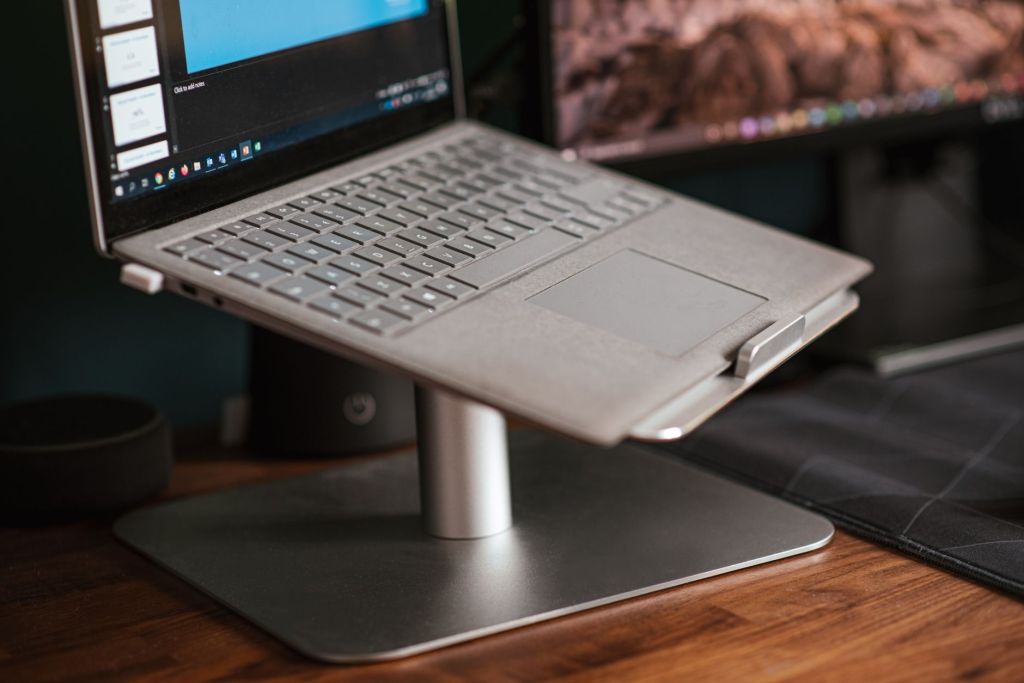
  • Best Laptop Stands for Students and Professionals in India

    Best Laptop Stands for Students and Professionals in India

    A laptop stand can make studying and working more comfortable by raising the laptop screen to a better viewing height. It can also create more space on the desk and may improve airflow around the laptop.

    Students, office workers, trainers and people working from home may spend several hours each day using a laptop. Choosing a suitable stand can therefore improve comfort and make the workspace more organised.

    In this guide, we will look at the important features to consider when choosing a laptop stand in India.

    1. Why Use a Laptop Stand?

    When a laptop is placed directly on a desk, the screen may be lower than a comfortable viewing position. This can encourage users to bend their neck or lean forward while working.

    A laptop stand raises the device and can help position the screen closer to eye level. When combined with an external keyboard and mouse, it can create a more comfortable desktop-style setup.

    A stand can also provide additional airflow beneath the laptop, depending on its design.

    2. Adjustable Height and Viewing Angle

    An adjustable laptop stand allows users to change the height and angle of the laptop according to their seating position and desk.

    This can be useful when the same stand is used by different people or in different locations such as a home desk, office, classroom or training room.

    When choosing an adjustable stand, check whether the adjustment mechanism is stable and whether the laptop remains secure at the selected position.

    3. Laptop Size Compatibility

    Laptop stands are designed to support different screen sizes and weights.

    Before buying, check the manufacturer’s recommended laptop size range. A stand designed for smaller laptops may not provide enough stability for a larger or heavier device.

    Also check whether the support arms and base allow the laptop to sit securely without blocking important ports.

    4. Stability and Build Quality

    A laptop stand should remain stable while typing, adjusting the screen or connecting accessories.

    Metal stands are often strong and may help with heat dissipation, while good-quality plastic stands can be lighter and easier to carry.

    Look for non-slip pads on the base and laptop supports. These can help prevent the stand from sliding and protect the laptop from scratches.

    5. Ventilation and Cooling

    Laptops generate heat during use, especially when running demanding software, video calls or multiple applications.

    An open-frame laptop stand can improve airflow around the bottom of the laptop compared with placing it directly on a soft surface.

    However, a laptop stand should not be considered a replacement for proper laptop cooling or maintenance. Keep ventilation openings clean and avoid blocking the laptop’s air vents.

    6. Portable Laptop Stands

    Students and professionals who frequently travel may prefer a lightweight, foldable laptop stand.

    Portable stands can fit into a laptop bag and can be useful in libraries, classrooms, offices, hotels and shared workspaces.

    When choosing a portable stand, compare its folded size, weight and stability. Very lightweight designs may be convenient to carry but should still provide adequate support for the laptop.

    7. Laptop Stands for Home and Office Desks

    For a permanent desk setup, stability and comfort may be more important than portability.

    A larger metal stand can provide a stable platform and may create additional space underneath the laptop for a keyboard, notebook or other accessories.

    Users who regularly work with an external monitor may also use a laptop stand to position the laptop screen at a similar height to the monitor.

    8. Foldable vs Fixed Laptop Stands

    Foldable stands provide flexibility because they can usually be adjusted and stored easily. They are suitable for users who travel or frequently change work locations.

    Fixed stands generally provide a simpler and more stable setup but may offer fewer adjustment options.

    The right choice depends on whether portability, adjustability or maximum stability is more important to you.

    9. Using an External Keyboard and Mouse

    When a laptop is raised significantly above desk level, typing directly on its keyboard may become uncomfortable.

    For this reason, an external keyboard and mouse can be useful when using a laptop stand for long periods.

    This setup allows the laptop screen to remain elevated while the keyboard and mouse stay at a comfortable position on the desk.

    10. What to Check Before Buying

    Before purchasing a laptop stand, consider:

    • Laptop size and weight compatibility
    • Adjustable height and viewing angles
    • Stability
    • Build quality
    • Non-slip protection
    • Ventilation
    • Portability
    • Foldable design
    • Desk space
    • Warranty and customer support

    It is also useful to read recent customer reviews to understand how the stand performs during regular use.

    Which Laptop Stand Should You Choose?

    Students who frequently carry their laptops may prefer a lightweight and foldable stand.

    Professionals working from a fixed desk may prefer a stronger metal stand with greater stability and height adjustment.

    People working from home for long hours may benefit from an adjustable stand combined with an external keyboard and mouse.

    The best choice is the one that matches your laptop size, workspace and daily usage.

    Conclusion

    A laptop stand is a simple accessory that can make a study or work setup more comfortable and organised. Features such as height adjustment, stability, laptop compatibility, ventilation and portability should be considered before purchasing.

    Rather than choosing only by appearance or price, compare the stand with your laptop size and the way you normally work. A stable and practical stand can be useful for students, professionals and work-from-home users alike.

    Affiliate Disclosure: Some links in this article may be affiliate links. If you make a qualifying purchase through these links, Chrisolas Solutions may earn a commission at no additional cost to you. As an Amazon Associate, Chrisolas Solutions earns from qualifying purchases.